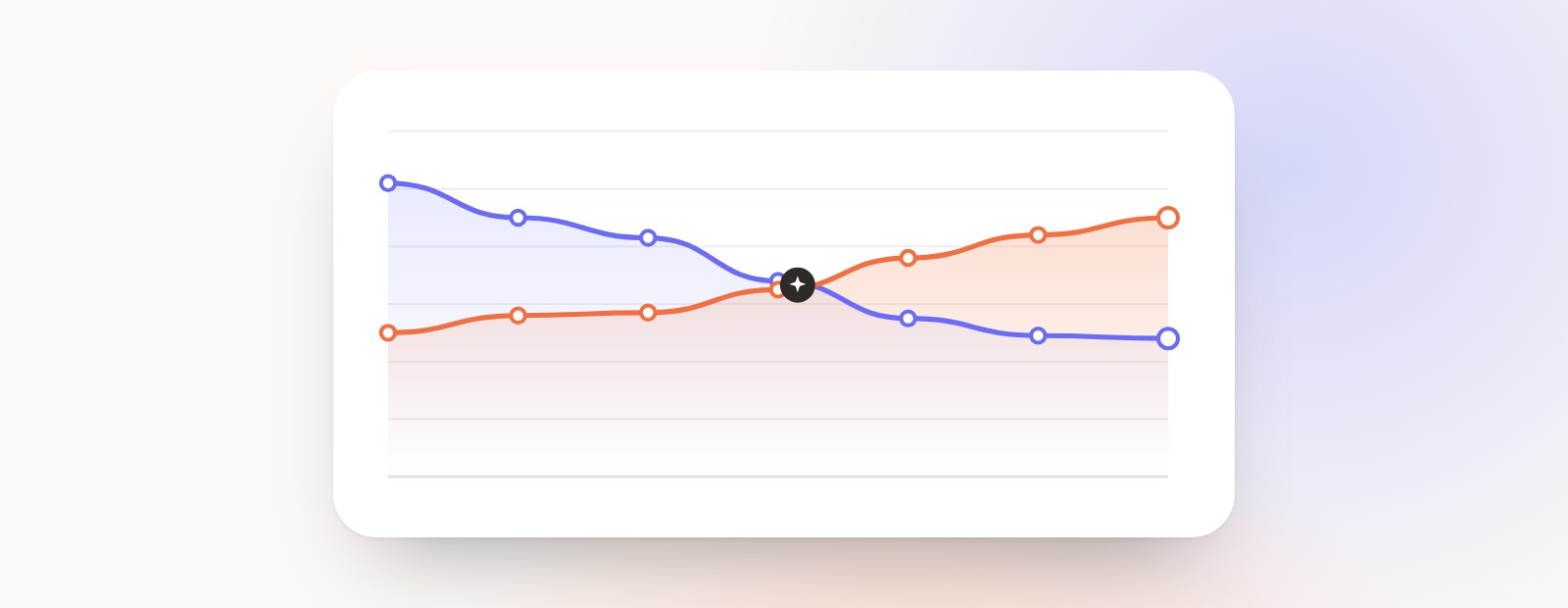
If you’re only looking at ROAS, you’re missing one of the biggest shifts happening in marketing right now. AI is influencing what consumers buy before they ever see your ads.
A shopper can ask ChatGPT for the best product in a category, get a recommendation, and head straight to Amazon to buy it. Your sponsored listing might get the click and the conversion, but AI helped make the decision.
And it works both ways. If AI is recommending your competitors, you could be spending more to compete for shoppers who already have another brand in mind. If it’s recommending your products, your ads could be benefiting from demand you didn’t have to pay to create.
ROAS will still tell you how efficiently your ads convert. What it won’t tell you is how AI is influencing that efficiency, or how many customers you’re losing before they ever reach your ads.
The numbers make it pretty clear that AI is becoming part of how people shop.
What's important here isn't just how many people are using AI. It's when they're using it. Shoppers are turning to AI before they search on Google, browse Amazon, or visit a retailer's website. They're asking for recommendations based on their specific needs and getting a shortlist of products worth considering.
That means brands are competing for customers much earlier than they might realize. And if your products aren't making those shortlists, your advertising may already be starting at a disadvantage.
Let's say two competing brands are spending roughly the same amount on digital advertising.
Brand A consistently shows up in AI product recommendations. When someone asks ChatGPT for the best product in its category, Brand A makes the list. By the time that shopper gets to Amazon or Walmart, they're already familiar with the product and may be ready to buy.
Brand B isn't getting recommended. Its products aren't part of those initial conversations, so it's relying on ads, promotions, and sponsored placements to get the shopper's attention.
Both brands are investing in advertising, but they're not starting from the same position. Brand A is reaching shoppers who may already have a reason to buy, while Brand B is paying to introduce itself and compete against products the shopper already has in mind.
Think about how that could affect conversion rates, acquisition costs, and ultimately ROAS. The difference isn't necessarily how much each brand spends on advertising. It's how much purchase intent has already been created before that advertising comes into play.
Here's a scenario that should get marketers thinking. Someone asks ChatGPT for the best laundry detergent for slinkensitive skin. ChatGPT recommends a product, and the shopper heads to Amazon to buy it. They search for the product, click a sponsored listing, and complete the purchase.
Amazon attributes the sale to the ad, and your ROAS looks great. But did that ad actually convince the shopper to buy, or did it just capture a purchase decision that was already made?
That's the gap marketers need to pay attention to. Traditional attribution can tell you which ad or channel received credit for the conversion, but it doesn't necessarily tell you what influenced the shopper before they got there.
And the reverse is just as important. If someone asks AI for a recommendation and your competitor gets picked, that shopper might never search for your product or see your ad. You could be losing potential sales without ever seeing that lost demand reflected in your ROAS reporting.
AI is influencing both the customers your ads convert and the customers who never make it into your funnel. ROAS alone won't show you either side of that equation.
This isn't just a shift in consumer behavior. There's real revenue at stake.
BCG's October 2026 research estimated that one global CPG company could have 20% to 30% of its online revenue at risk as product discovery moves toward AI. The same research found that CPG companies piloting generative engine optimization reported average incremental revenue increases of 1% to 5%.
That doesn't mean AI recommendations are directly responsible for changes in ROAS across the industry. But it does show why brands need to pay attention to what happens before shoppers reach their traditional marketing channels.
For marketing leaders, the questions are becoming increasingly important.
These aren't just questions for your SEO or content team. They have implications for your entire marketing strategy, from paid media and acquisition costs to conversion rates and revenue.
NielsenIQ, September 24, 2026 — Majority of U.S. Consumers Now Use AI to Shop
NielsenIQ, October 7, 2026 — Consumer Outlook: Guide to 2027
Boston Consulting Group, October 30, 2026 — Are CPG Companies Ready for Agentic Commerce?